“Original Holocaust sources, such as survivor testimonies and artifacts, remain the foundation of Holocaust research. There are remarkable institutions doing important work to preserve these materials. In a time when AI-generated falsifications of the Holocaust are gaining ground, these original sources are crucial for maintaining the integrity of both Holocaust memory and scholarship. Although Holocaust research still has blind spots (for example, it is still very gendered in its research focus), it is an exceptionally well-developed, interdisciplinary field. At the same time, many students struggle to connect with traditional Holocaust education and research. As digital natives, their perceptions are shaped largely by what they encounter online. The field of Holocaust research can make use of that.”
Monika Hübscher, PhD, a researcher at the University of Duisburg-Essen focused on combating antisemitism on social media, reflects on how we can encourage the next generation of emerging scholars in the field of the Holocaust.
A curated collection that includes virtual artifacts from Holocaust survivors and their families who settled in Ottawa.
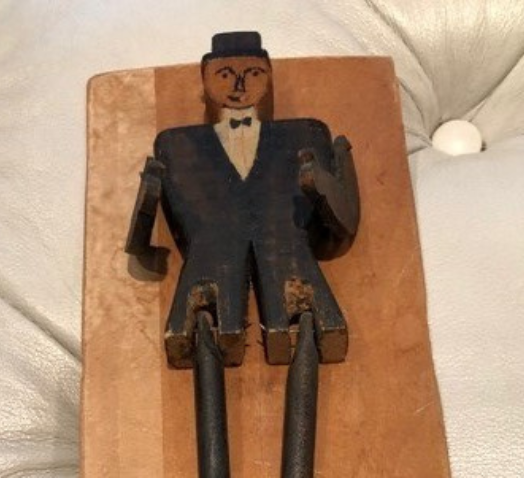
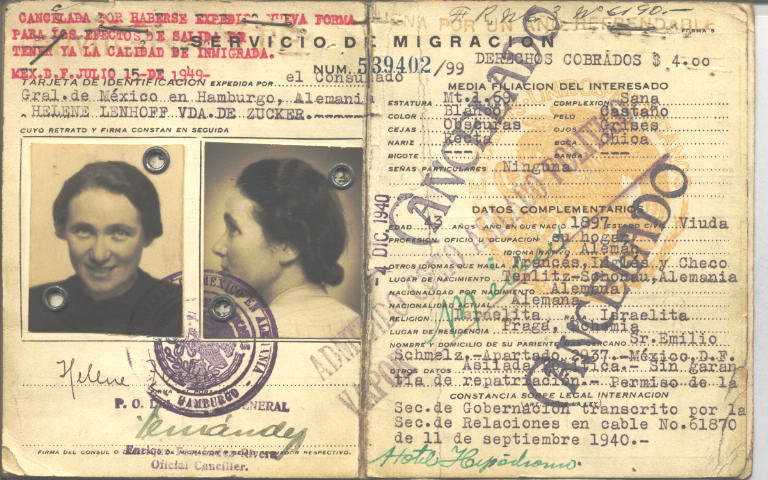
On November 4th, 2018 Temple Israel was the scene of a “Pop-Up Museum” with a display of Holocaust artifacts submitted by Holocaust survivors and their family members. Rabbi Morais of Temple Israel was behind the idea for the Pop-Up Museum. Forty-seven items were shown including artifacts, documents, letters, books, movies, short videos, a Tora Scroll, and a Tallit rescued from a synagogue in Berlin following the Kristallnacht event.
As a result of the success of the pop-up museum, a Holocaust Virtual Museum website was inaugurated on November 15th, 2020. The collection of artifacts in the Virtual Museum belong to Ottawa-area Holocaust survivors and their families. The objects have a connection to the family’s experience of the Holocaust and speak to survival. In this way, the artifacts allow us to return the humanity to Holocaust victims. The artifacts share family stories that provide an opportunity to learn about the history of the Holocaust, the history of those families and, at the same time, to remember them.
Some objects in the collection are from before World War II and the Holocaust, some are from the time of the Holocaust, and others are from after the war. The variety of the collection displays the rich diversity of the lives lost – but ensures their continued existence into the future.
There were 48 objects collected for Phase I of the collection, and they are grouped into 9 separate categories.
The Holocaust Virtual Museum continues to accept new submissions. The new submissions will be presented in Phase II.